ECUADOR

A 15-day cultural adventure through Ecuador – from the Indigenous markets of Otavalo and the colonial gold of Quito, through the volcanoes Cotopaxi, Chimborazo and turquoise Lake Quilotoa, to Cuenca, the mangrove forests and coastal Guayaquil

Price€6,750
Duration15 days / 14 nights
DateTBD
Book now
Every Day at a Different Altitude and in a Different Century

WHERE EVERY DAY CHANGES ALTITUDE

Here the volcanoes breathe, the markets sound as they did centuries ago, and every day lifts you a little closer to the sky.

Ecuador is a small country of exceptionally varied character – from the high Andes and snow-capped volcanoes to colonial cities, lush mountain valleys and the tropical coast. This journey takes us beyond the familiar sights and brings us close to the cultures, traditions and daily life of local communities.

We will visit the markets of Otavalo, cross high-mountain landscapes, touch ancient rituals and crafts, stand on the Equator and explore colonial Quito. We will travel among the volcanoes Cotopaxi and Chimborazo, reach the turquoise waters of Quilotoa, descend to the green valleys around Baños and discover the Inca legacy at Ingapirca.

Along the way we will taste traditional cuisine, meet local artisans and see how centuries-old techniques remain part of people's lives. And at the end of the journey we will trade the high-mountain air for the tropical rhythm of Guayaquil and the mangrove forests of the Pacific coast.

Get ready for a journey in which every day is at a different altitude and in a different century.

This is Ecuador through its people, flavours, landscapes and stories – a country in which several entirely different worlds meet within a relatively short distance of one another. Here we have gathered the best of them in 15 days.

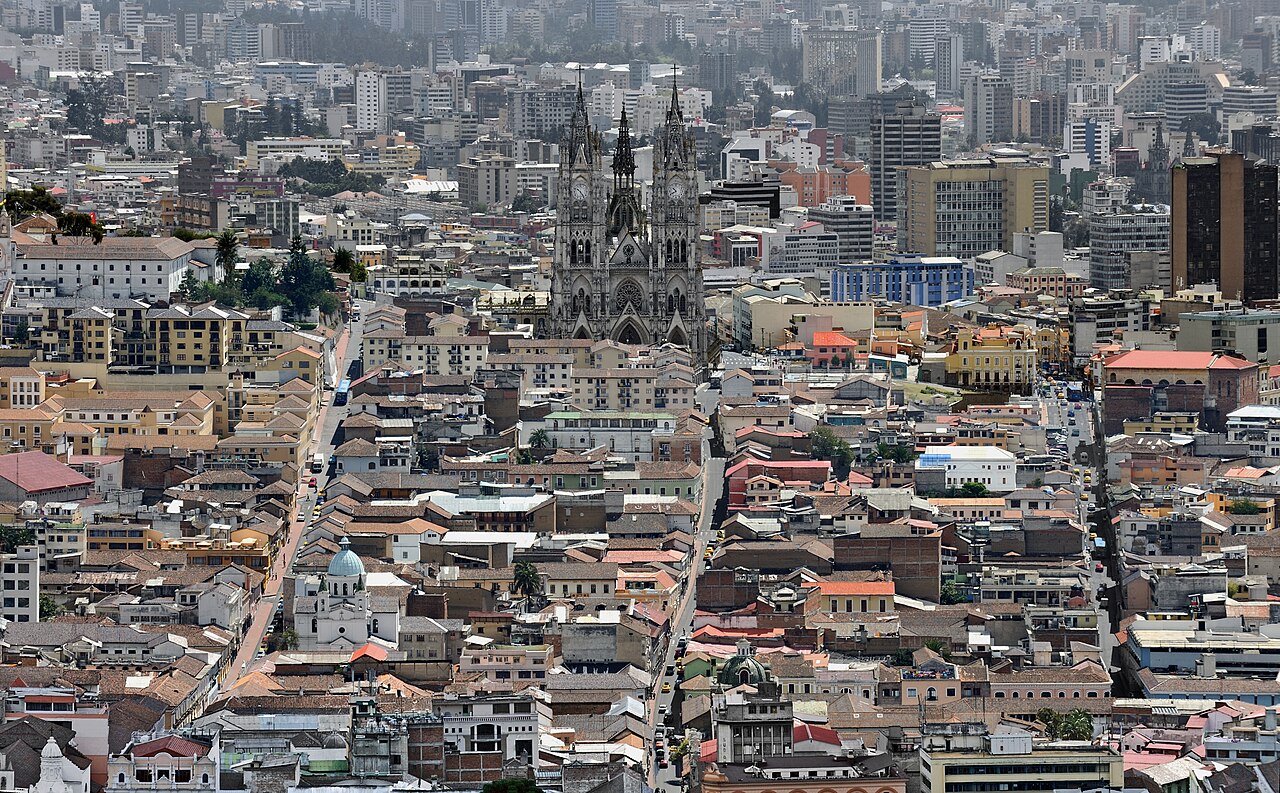
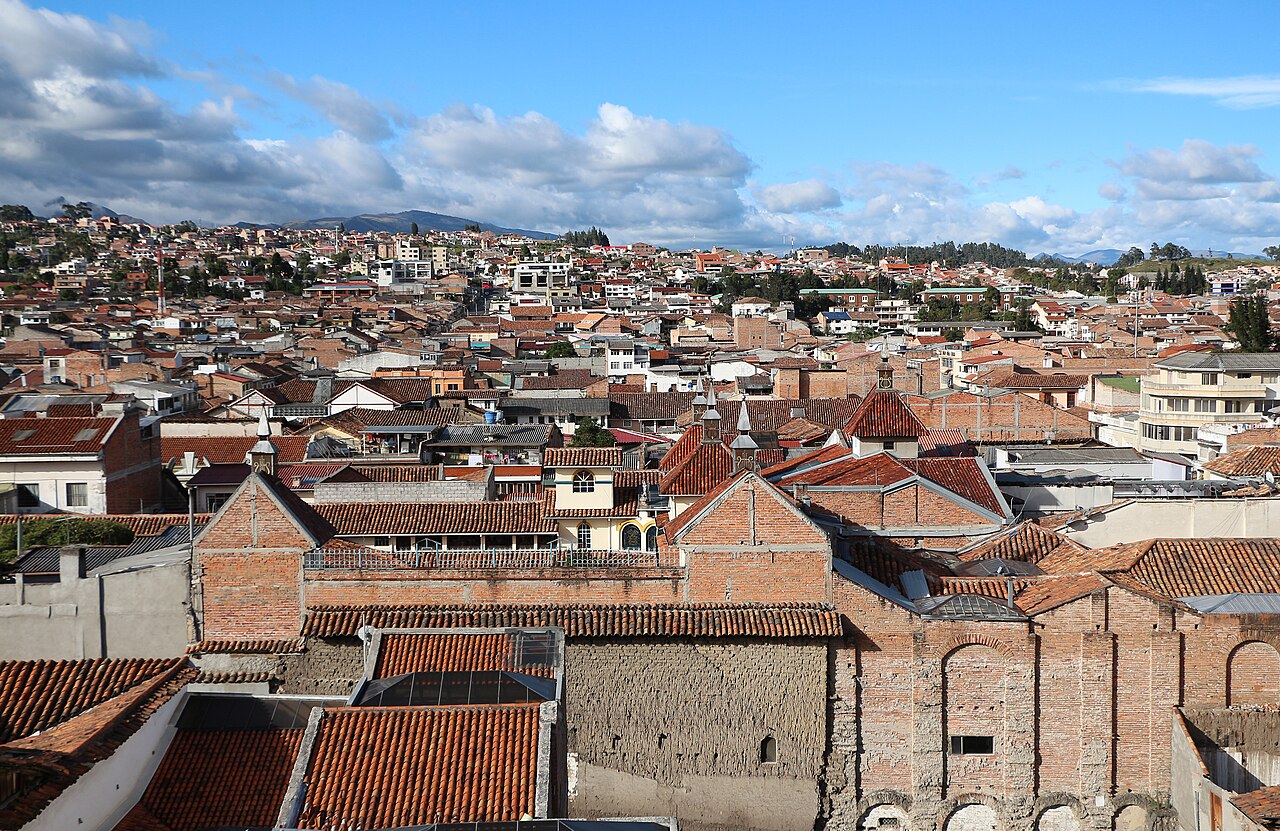
Quito lies at about 2,850 metres, in a valley between volcanoes. Its historic centre is among the first places in the world inscribed on the UNESCO list – a labyrinth of churches, monasteries and squares in which colonial gold and Andean tradition live together.

South of the "Avenue of the Volcanoes" is Cuenca – a city of cobbled streets, blue domes and a river with four bridges. Its colonial centre is also a UNESCO site, and the famous "Panama" hat is in fact woven right here, from toquilla straw.

Which sights will we visit?

  • Otavalo and Hacienda Zuleta – the Indigenous markets, the communities of the Andes and a historic estate among condors and mountains
  • Quito and the Equator – the colonial centre, the art of Oswaldo Guayasamín and the line that divides the world into two hemispheres
  • Cotopaxi, Quilotoa and Chimborazo – the volcanoes of the Andes and the turquoise lake in the crater of Quilotoa
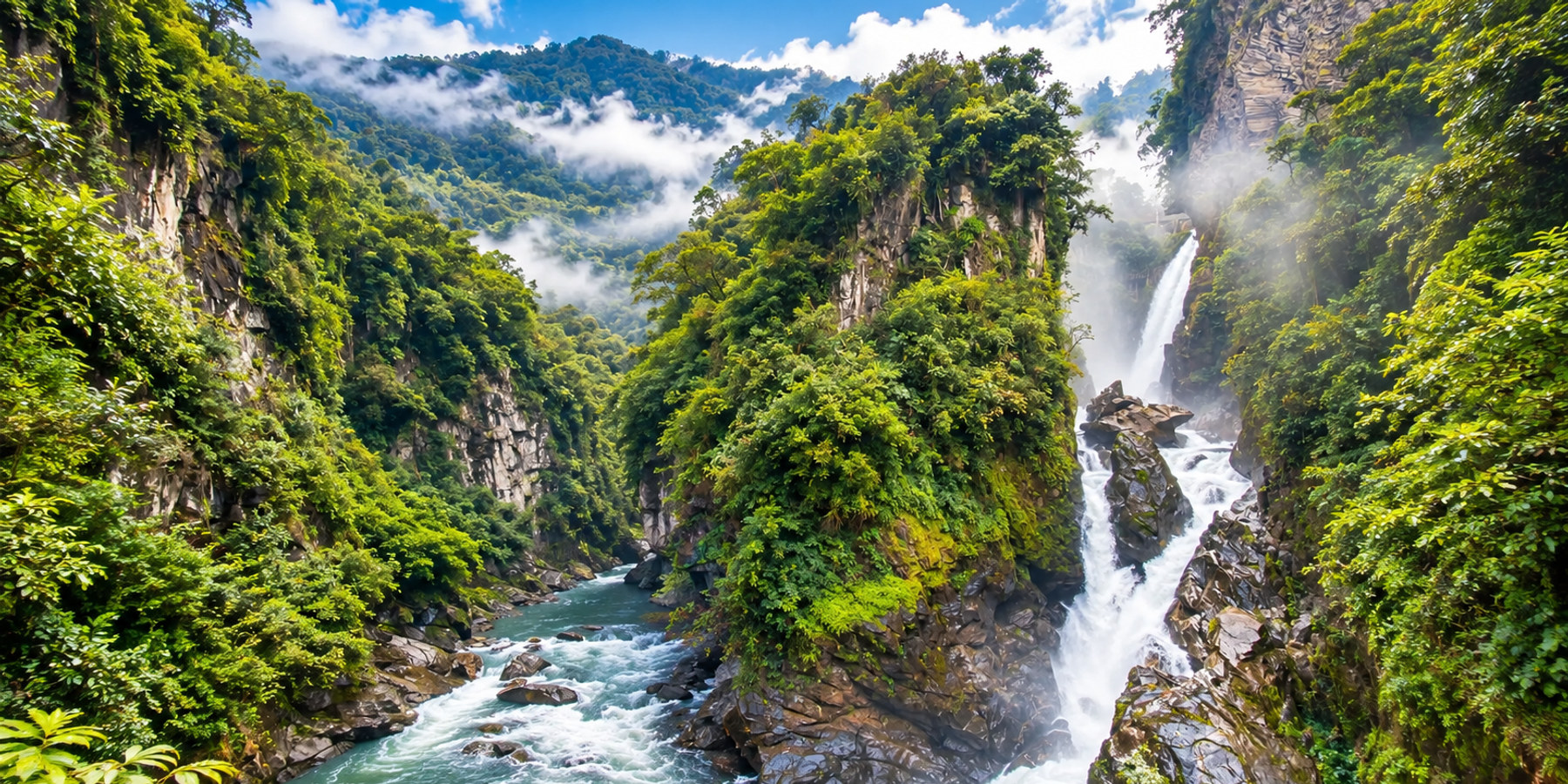
  • Baños – the route of the waterfalls and Pailón del Diablo
  • Ingapirca and Cuenca – the largest Inca complex in Ecuador and the city of the "Panama" hat
  • El Cajas, the mangrove forests and Guayaquil – high-mountain lakes, cocoa and the tropical Pacific coast

Welcome to Ecuador – where every day is at a different altitude and in a different century.

Itinerary

DAY 1

Quito – Otavalo – Hacienda Zuleta
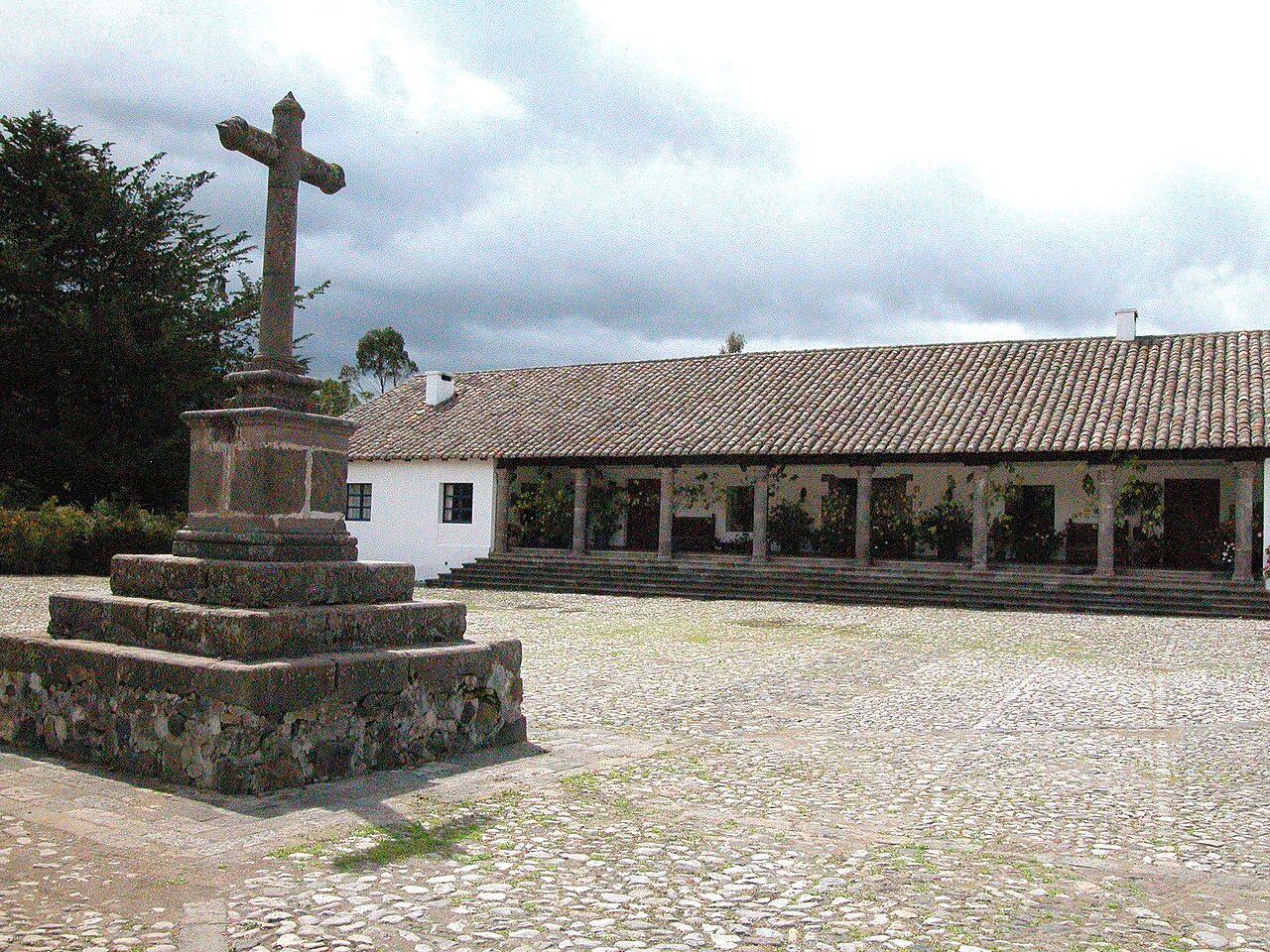
After arriving at the airport in Quito we head north toward the Andes. Gradually the urban landscape gives way to green pastures and wide high-mountain valleys, and in good weather the snow-capped peak of the Cayambe volcano appears before us.

Our first stop is Hacienda Zuleta – a historic estate set in the impressive landscape of the Andes. On arrival we will be welcomed personally by our hosts and will check in to our room.

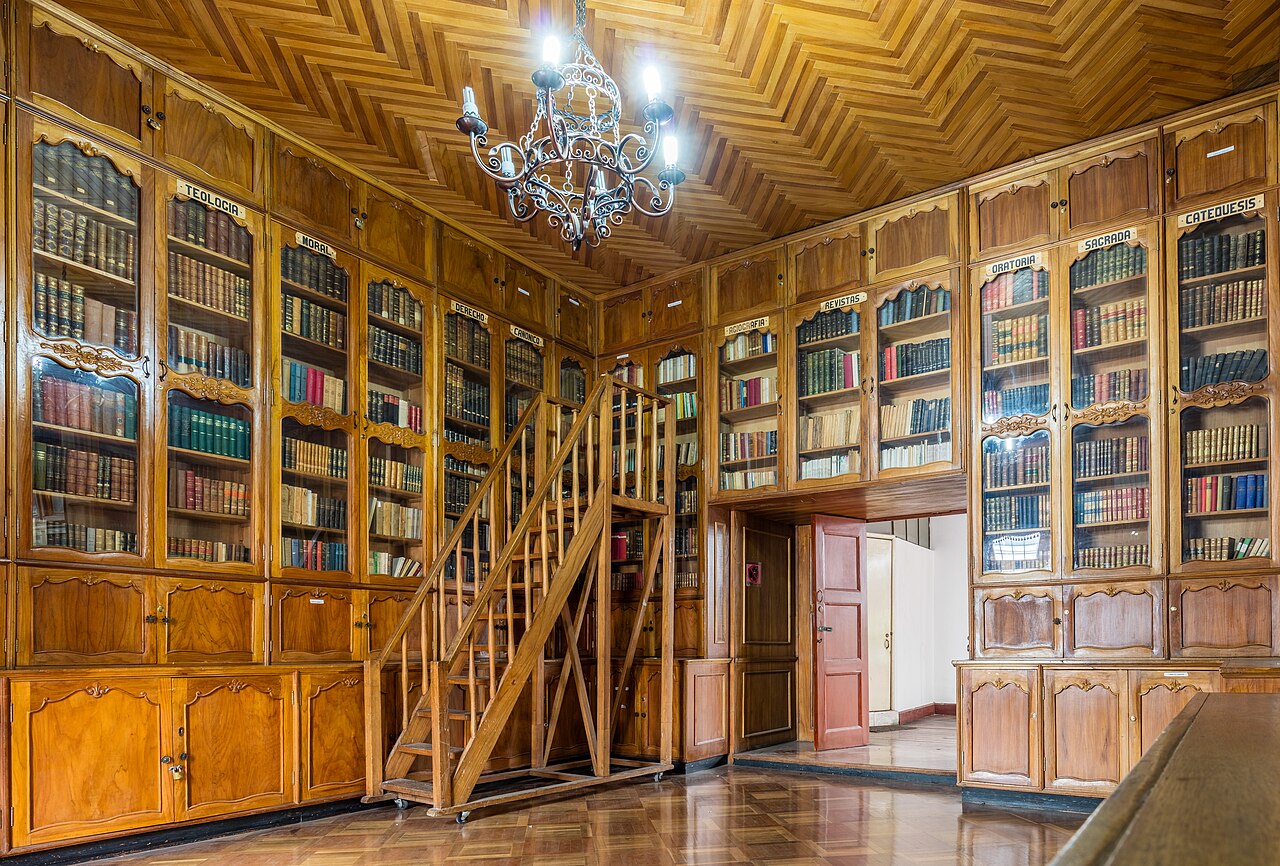
Over a cup of tea or coffee we will learn about the options for our stay and tour the main building of the hacienda. We will learn more about the history of Zuleta, see the private library of former president Galo Plaza Lasso, the small chapel and the beautiful gardens.

As evening falls, the air in the Andes turns cool. This is the moment to relax by the fireplace with a glass of wine and cheese made on the farm, before dinner.

Our stay here is not just a night's lodging. Among the possibilities included in the stay are a visit to the Condor Huasi project, walks in the gardens and around the lagoon, the chapel, the network of trails, the cheese factory, the orchards and the organic farm.

Early in the morning we can watch wild condors using the air currents above the valley. If desired, we can also head to the Condor Viewpoint, from where a panorama of the Zuleta valley opens.

Ancient mound structures associated with the Caranqui people, dating from around the 7th century, have also been preserved on the hacienda's land. We can also visit the dairy, see the daily work with the dairy cows, learn more about the production of local cheeses or meet the women of the community who continue the tradition of hand embroidery.

For those who prefer a more active stay, many hiking routes are available, and in the organic garden we can learn about permaculture and how the produce reaches the hacienda's kitchen.

Overnight: Otavalo area (see "Accommodation" – in the Luxury category this is Hacienda Zuleta)

Meals: breakfast
DAY 2

Otavalo and the traditions of the Andes

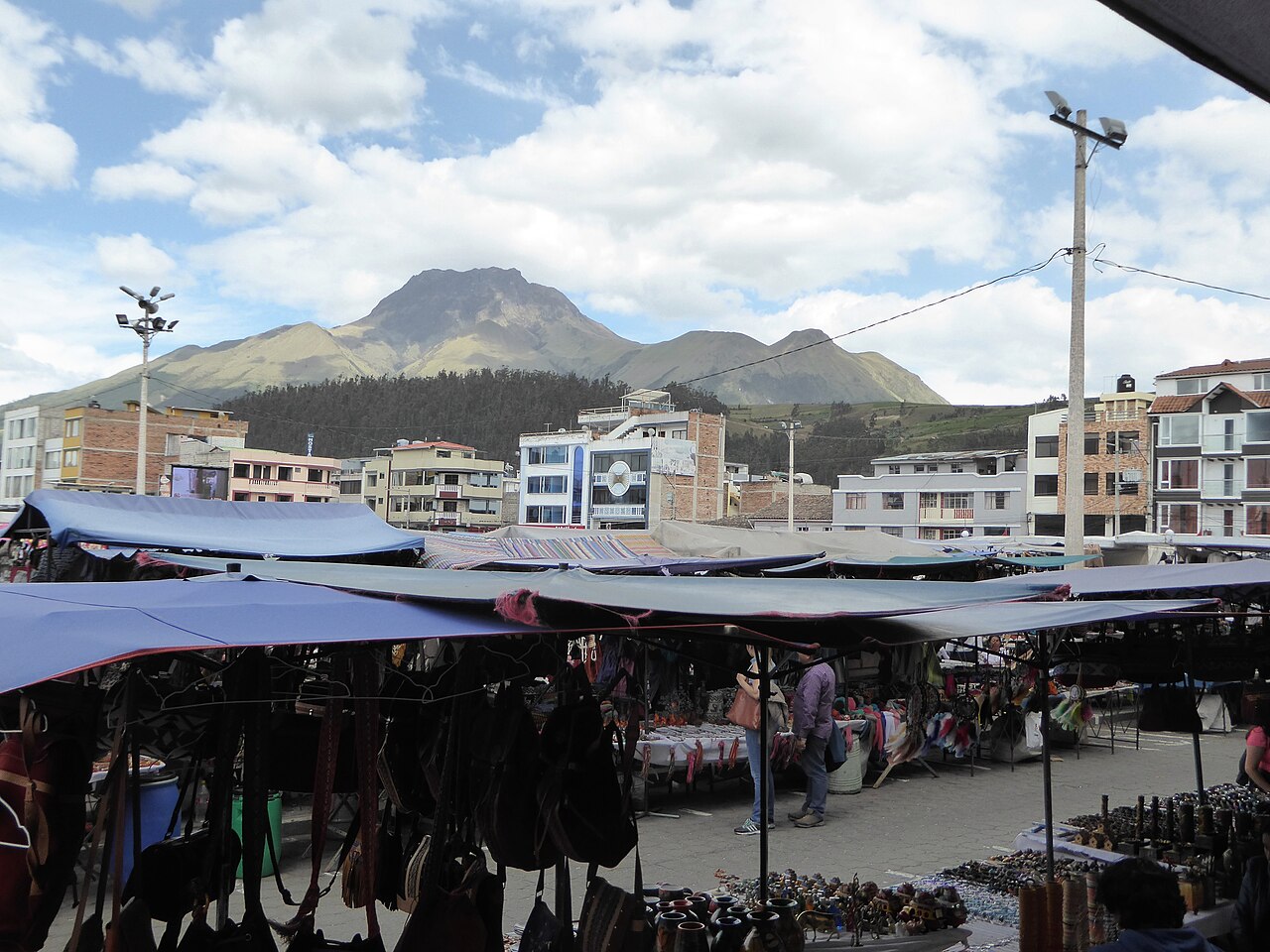
Today we head to Otavalo – one of the most interesting centres of local culture in the northern Andes.

Our first stop is the famous Otavalo market. It operates daily, but on Saturday it reaches its greatest size and attracts traders and visitors from the whole area. Here the tradition of trade is not just part of the local economy but an important way of communication and cultural exchange.

We will stroll among the colourful stalls and see textiles, handmade items and traditional products characteristic of the local communities.

We continue to the quiet town of Cotacachi, known for its leather goods. We will have the opportunity to look at shoes, bags, belts and jackets and to meet the local craftsmen behind their making.

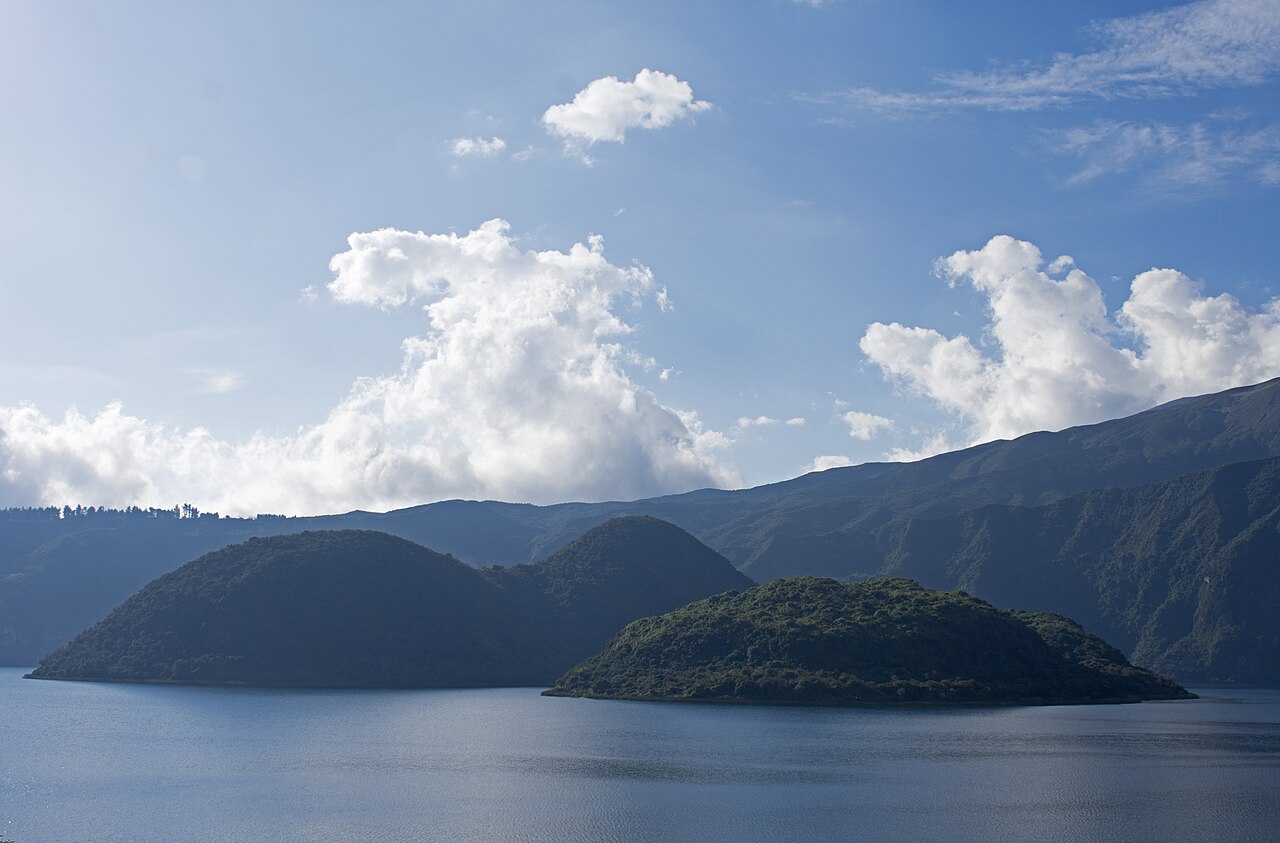
Near Otavalo is also the beautiful Cuicocha lagoon – a volcanic lake set on the slopes of the Cotacachi volcano, amid the characteristic vegetation of the high Andes.

For lunch we will visit Kawsaymi – a project created by the local community, where food is much more than just a meal. Here we will learn about traditional ways of preparing local products and how ancient knowledge and modern life continue to meet at the same table.

In the afternoon one of the most personal experiences of the programme awaits us – a traditional cleansing ceremony in the small craft town of Iluman.

Many traditional healers live here, known as yachak – a word in the Kichwa language meaning "the one who knows". We will learn more about their role in the local community and about traditional Andean medicine.

Then we will witness an ancient cleansing ritual, which uses medicinal plants such as nettle and chilca, mixed with water. At a certain point we will be invited to enter a small pool of water – symbolically freeing ourselves of negative energy and opening space for the positive.

Overnight: Otavalo

Meals: breakfast and lunch at Kawsaymi

DAY 3

Otavalo – local communities and Cuicocha lagoon – Quito

Today we continue to discover the northern Andes through their people and traditions.

We will visit several local communities, where we will see how traditional items are made – totora reed mats, musical instruments, sheep's-wool textiles and seed jewellery.

Then we will head to the Peguche waterfall – a place of special significance for the local people. The waterfall is associated with traditional rituals and is considered a place of cleansing and healing power. During important festivals, including Inti Raymi, locals sometimes bathe here as part of the spiritual preparation for the celebrations.

We continue to the Cuicocha lagoon, located within the Cotacachi-Cayapas Ecological Reserve. Depending on the weather, we will have the opportunity for a short walk by the lagoon and will enjoy views of Otavalo and the Imbabura volcano. In clear skies the snow-capped peak of Cayambe may appear in the distance.

After this day among nature and local communities, we head back to Quito.

Overnight: Quito

Meals: breakfast and packed lunch

DAY 4

Quito – the Equator and the world of Oswaldo Guayasamín – Quito

Today we will touch two very different faces of Ecuador – its geographical position and its modern culture.

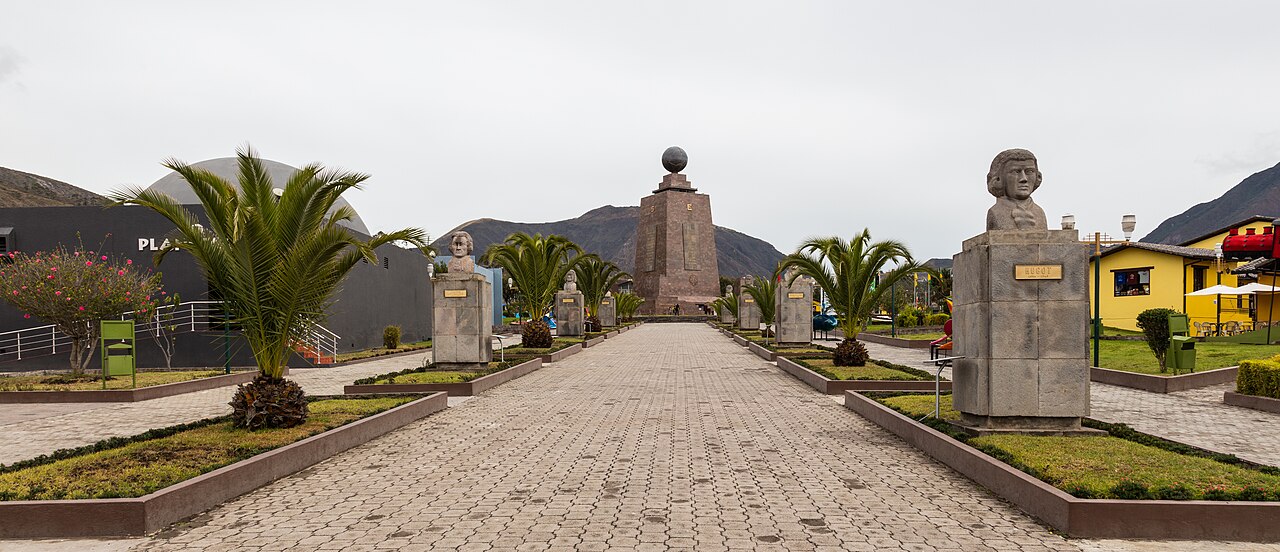
First we leave Quito and head north to the place known as the Middle of the World. A monument stands here in honour of the 18th-century French Geodesic Mission, led by the French scientists La Condamine, Bouguer and Godin, together with the Ecuadorian geographer Pedro Vicente Maldonado.

Here the supposed line of the Equator was once determined – a place that remains one of the most popular stops in Ecuador today. We will be able to stand symbolically with one foot in the Northern and the other in the Southern Hemisphere.

The complex also has an ethnographic museum, a planetarium, craft shops, cafés and restaurants.

Nearby is also the Intiñan Museum – smaller but highly interactive, devoted to geography, astronomy and local cultures. We will see traditional dwellings and take part in various experiments related to Ecuador's special geographical position.

Then we return to Quito and visit the Capilla del Hombre – the last great masterpiece of the Ecuadorian artist Oswaldo Guayasamín.

This is not just a museum but a space for reflection on the history of Latin America – from the ancient cultures to the present. We will see works by Guayasamín and collections devoted to the pre-Columbian, colonial and modern art of Ecuador.

Overnight: Quito

Meals: breakfast

DAY 5

Old Quito – history, art and flavours

Today we will spend the day in the historic centre of Quito – one of the best-preserved colonial centres in South America.

Our walk begins with the Basilica del Voto Nacional – an imposing neo-Gothic basilica, considered one of the most significant buildings of its kind in Ecuador.

We continue to Plaza Grande, the heart of the historic city. Around the square stand the Presidential Palace, the Cathedral and the Archbishop's Palace – witnesses of the capital's centuries-long history.

We will also visit the church of San Francisco de Quito, where works by local artists of the famous Quito School are preserved – an artistic tradition that developed in the 17th and 18th centuries.

One of the highlights of the day is La Compañía Church – an impressive example of Baroque architecture. The façade is built of volcanic stone, while the interior is richly decorated with gold.

From the old town we will head to El Panecillo, from where an impressive 360-degree view of Quito and the mountains around it opens up.

Later we will step into a different world – La Ronda. The historic district was once a meeting place for artists, writers, poets and bohemians. As the city grew it gradually fell into neglect, but that is exactly what helped the old colonial buildings to survive.

Today La Ronda is once again a lively street with beautiful balconies, lanterns, galleries, workshops and restaurants.

We will visit a traditional workshop for trompos – wooden spinning tops that are made by hand. The craftsmen will show us how they are made and how to play with them, and the conversation may take us back to the childhood memories of the people of Quito themselves.

We will also look into the traditional San Francisco market, open since 1893. Among the stalls we will see fruit, vegetables, herbs, grains, flowers, meat and other products of the locals' daily life. The market is also known for its traditional healers, who use plants and spices in ancient practices of healing and cleansing.

To finish the day, a culinary experience awaits us at Altamira Experience – a restaurant set in a restored colonial house near San Francisco Square. Here we will not simply sit at the table – we will take part in preparing traditional dishes and become part of the kitchen ourselves.

Overnight: Quito

Meals: breakfast and dinner (after the cooking class)

DAY 6

Quito – Cotopaxi – the high Andes

Today we leave Quito and head south along the famous Avenue of the Volcanoes – a road through one of the most impressive parts of the Ecuadorian Andes.

Before reaching Cotopaxi National Park, we will have the chance to visit a rose plantation near the town of Salcedo. Ecuador is known for its high-altitude roses, and here we will see up close how these flowers are grown, processed and picked.

Then we continue to Cotopaxi National Park.

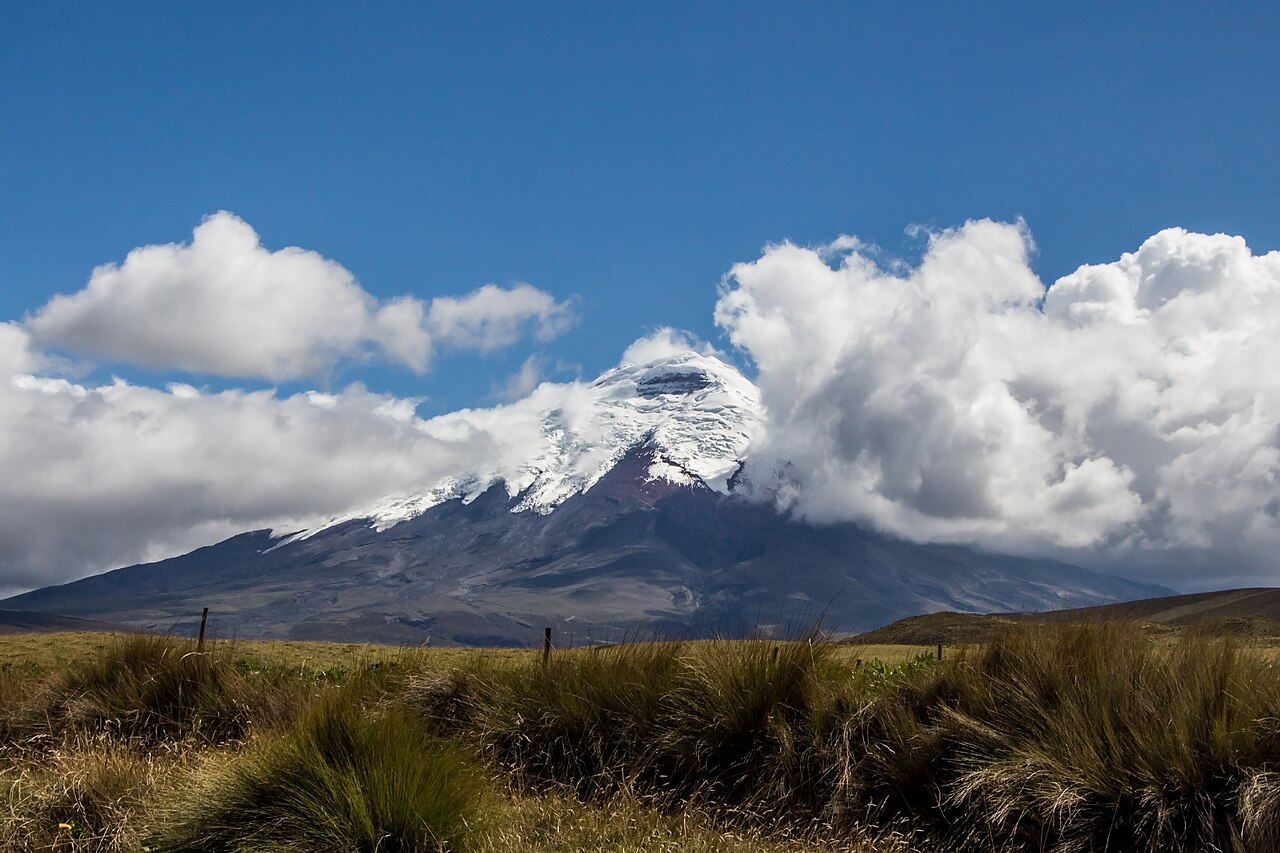
Before us rises one of the highest active volcanic cones in the world – Cotopaxi, 5,897 metres high. Its snow-capped summit dominates the wide grassy expanses of the national park.

Our route takes us to Limpiopungo lagoon, at about 3,850 metres above sea level. Here we will walk through the characteristic páramo – a high-mountain grassy landscape where we can see hummingbirds, wild horses and other representatives of the local fauna.

If the sky is clear, Cotopaxi will be constantly before us – imposing, white and almost unreal against the high-mountain landscape.

In the afternoon we head to where we will spend the night, and will have time to relax after the day among the volcanoes.

Overnight: Cotopaxi area

Meals: breakfast

DAY 7

Cotopaxi – Saquisilí – Quilotoa – Baños

Today we start early.

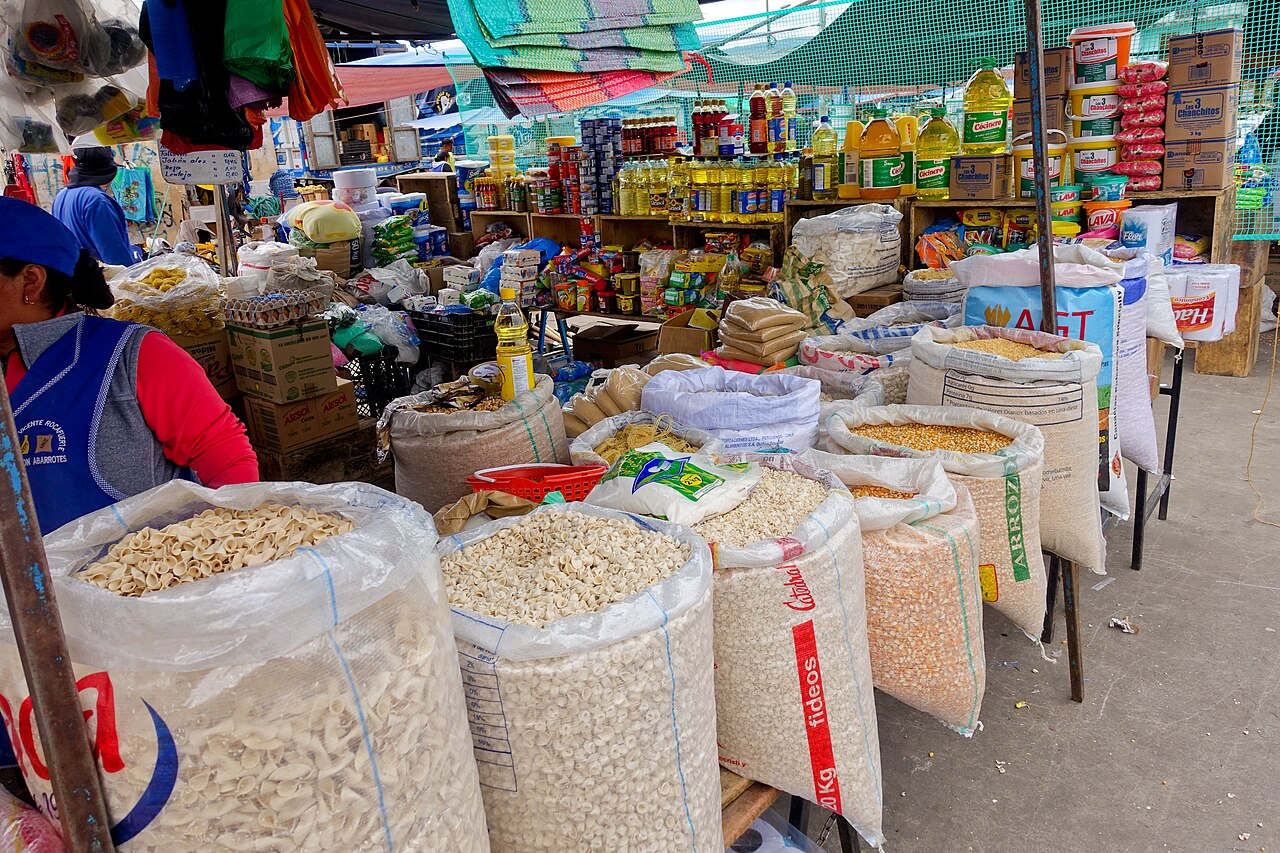
If the day of our programme falls on a Thursday, we will visit the market in Saquisilí – one of the most important markets in the Andes. Even before sunrise, farmers, traders, tailors and herders from the villages in the surrounding mountains begin to gather here.

Among the countless stalls we will see grains and legumes of different colours and sizes, and the traders will invite us to haggle. In separate parts of the market animals are also sold – a tradition that remains part of the life of the local communities.

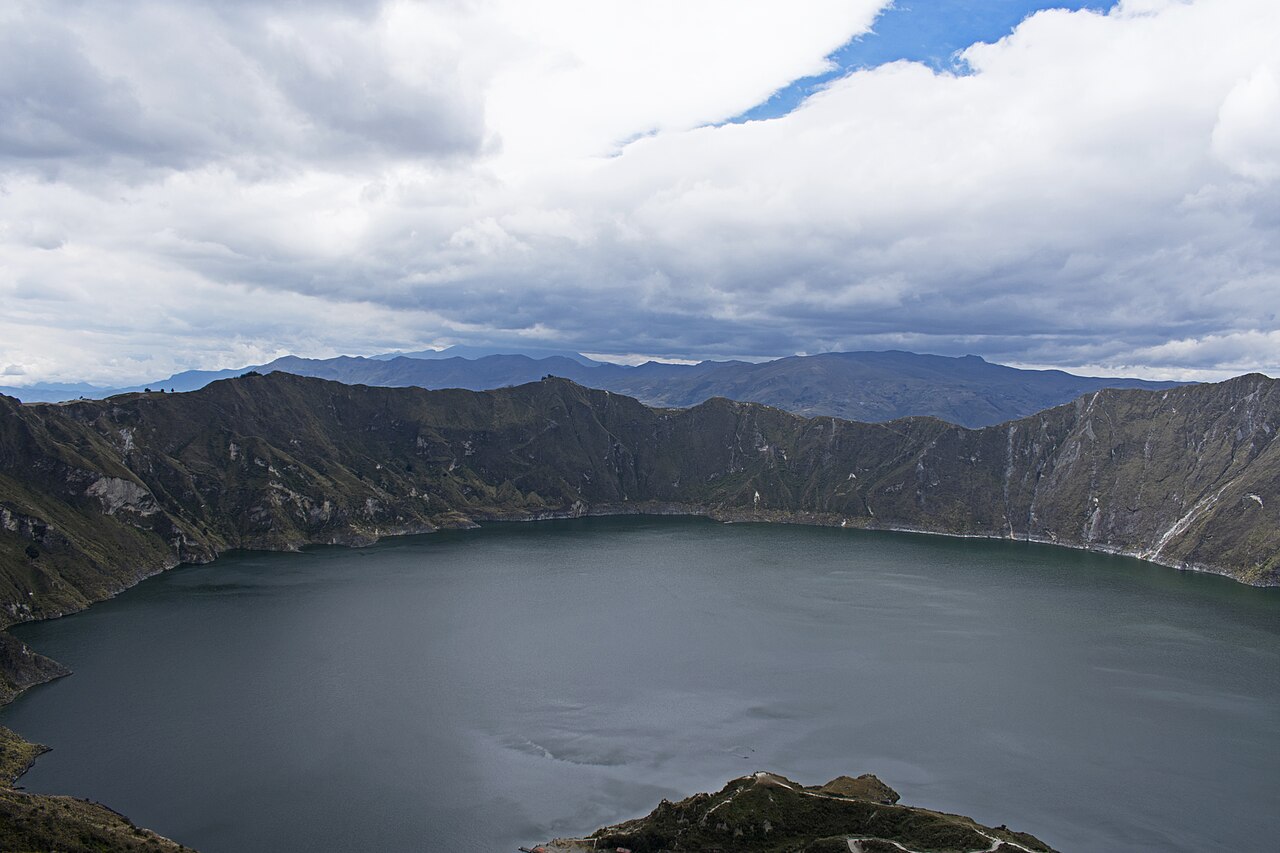
We continue to one of the natural wonders of Ecuador – Quilotoa lagoon.

It lies in the crater of an extinct volcano and impresses with the changing shades of the water – from deep blue to green and turquoise, depending on the weather and the season.

We will reach the rim of the crater, from where the lagoon can be seen, and if we wish we can descend the trail to the water itself. The climb back up is the day's greater challenge, so the locals offer the option of hiring a mule or a horse.

On the way back we will pass through the small village of Tigua, known for its bright paintings and traditional masks. Local art often depicts the high-mountain landscapes and the volcanoes of the páramo.

At the end of the day we continue to Baños.

Note: the Saquisilí market takes place on Thursday only.

Overnight: Baños

Meals: breakfast

DAY 8

Baños – along the route of the waterfalls

Baños de Agua Santa is a small, lively town at the foot of the active Tungurahua volcano. Surrounded by green mountains and rivers, it is known as one of the places in Ecuador where nature and adventure meet.

Today we will take the famous Route of the Waterfalls.

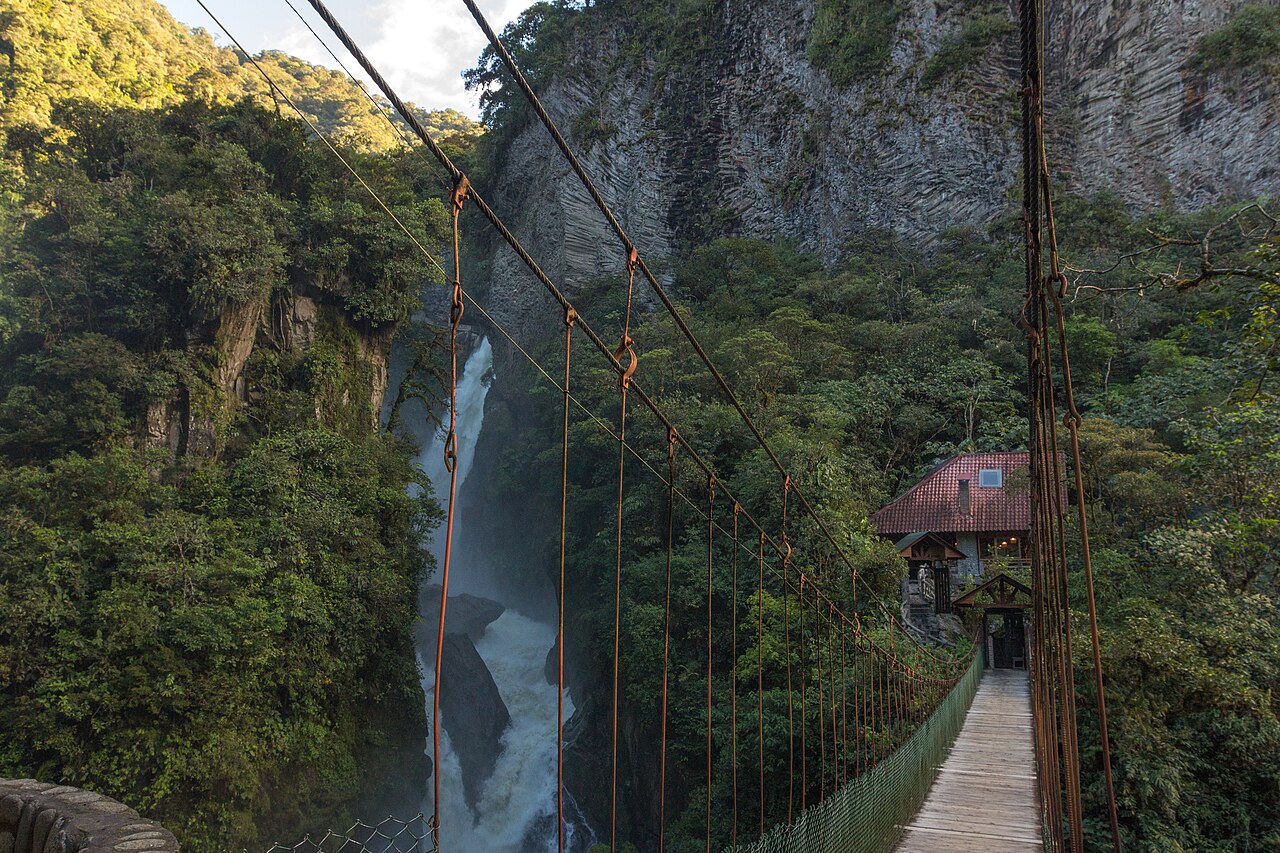
On the way we will see several waterfalls, among them Agoyán and Manto de la Novia – the "Bride's Veil". But the real culmination is Pailón del Diablo, or the "Devil's Cauldron".

A short path takes us down to the waterfall, which is approximately 80 metres high. We can watch it from a bridge or from a special platform, but we must be ready to be sprayed by the water.

Then we head to one of Baños' most popular attractions – the Tree House and the famous Swing at the End of the World.

From the little house on the edge of the mountain there is a view of the slopes of Tungurahua and the green valleys far below us. And for those who are not afraid of heights, the swing offers an entirely different perspective on the landscape.

If desired, the day can end with a horseback ride. The route takes us to the Ulba area and the Chamana waterfall, which flows down from Sangay National Park. From here we can again enjoy views of Tungurahua.

Overnight: Baños

Meals: breakfast

DAY 9

Baños – Chimborazo – Riobamba

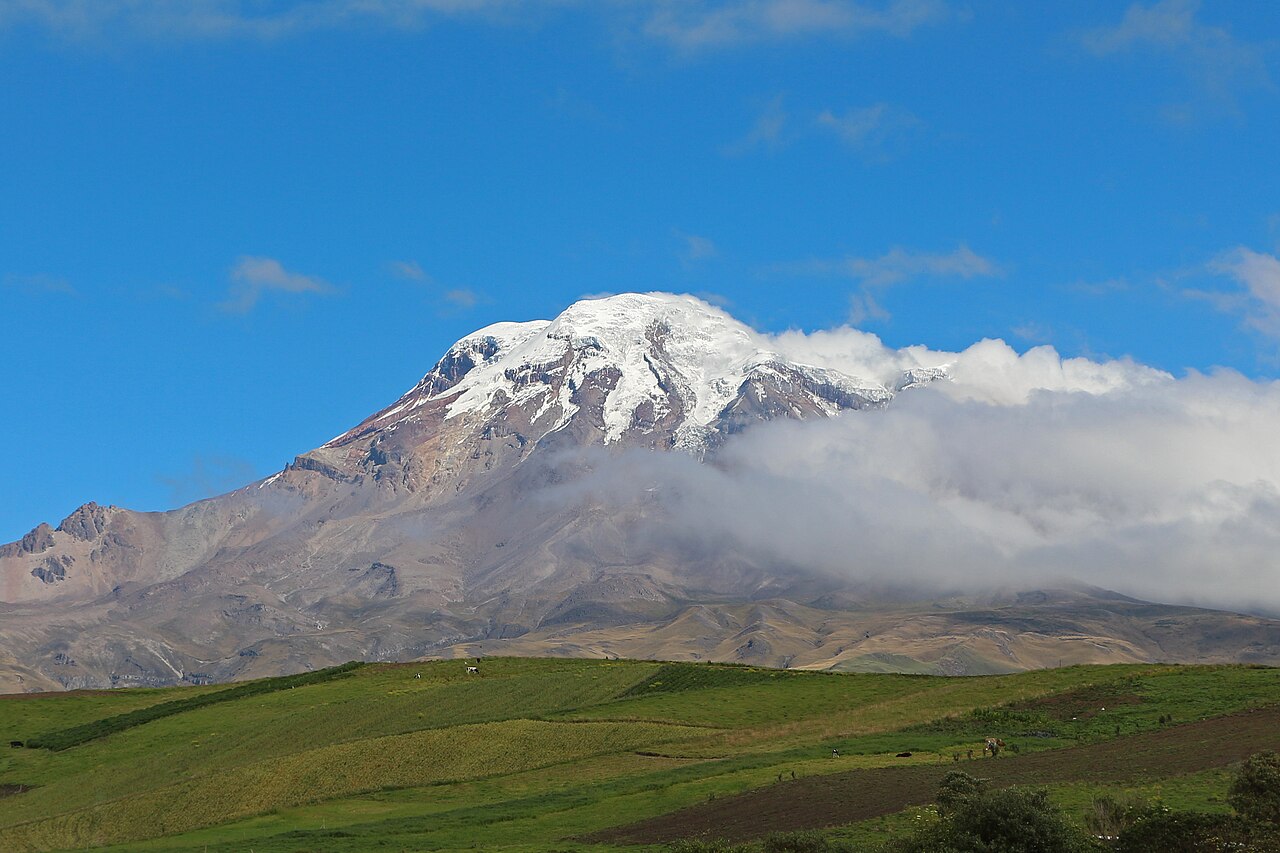
Today we head to one of Ecuador's most impressive mountains – Chimborazo.

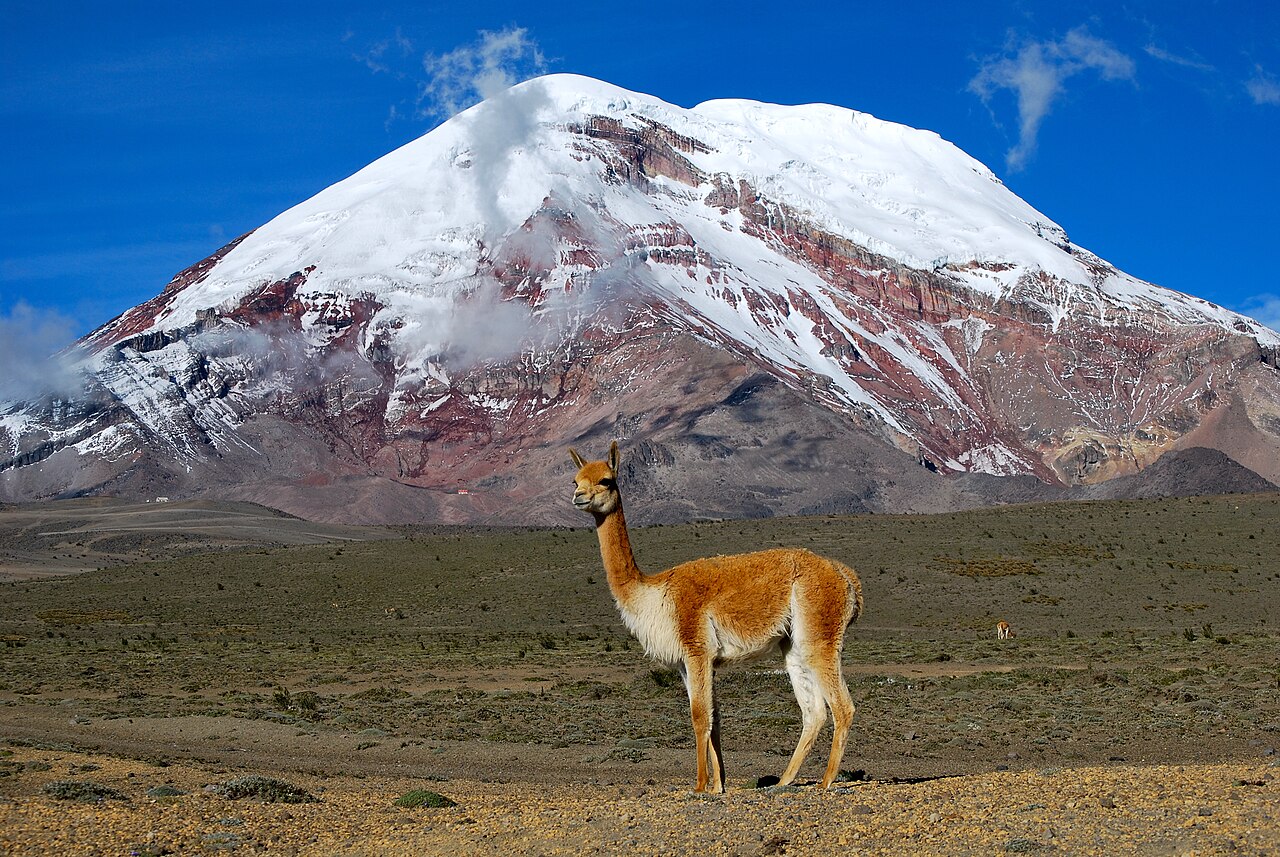
At 6,310 metres this is the highest peak in the country. Because of the shape of the Earth and its proximity to the Equator, the summit is also the point farthest from the centre of the Earth.

Around the volcano stretches a wildlife reserve, created to protect the high-mountain nature and animal life. Among the wide expanses we can see llamas and alpacas, and high above us – with luck – hawks and even Andean condors.

For those who want a more active experience, there is the option of climbing to the Hermanos Carrel refuge at 4,800 metres or even to the Edward Whymper Refuge at 5,000 metres.

Here, however, altitude is already a serious factor. We will walk calmly, drink enough water and listen to our own pace.

On the way we will also visit a museum devoted to the Andean camelids and above all to the symbol of the region – the llama. We will learn more about the origin and development of these animals, their role in traditional medicine and the economy and their connection to Andean culture.

At the end of the day we arrive in Riobamba.

Overnight: Riobamba

Meals: breakfast

DAY 10

Riobamba – Ingapirca – Cuenca

Today we travel even deeper into Ecuador's history.

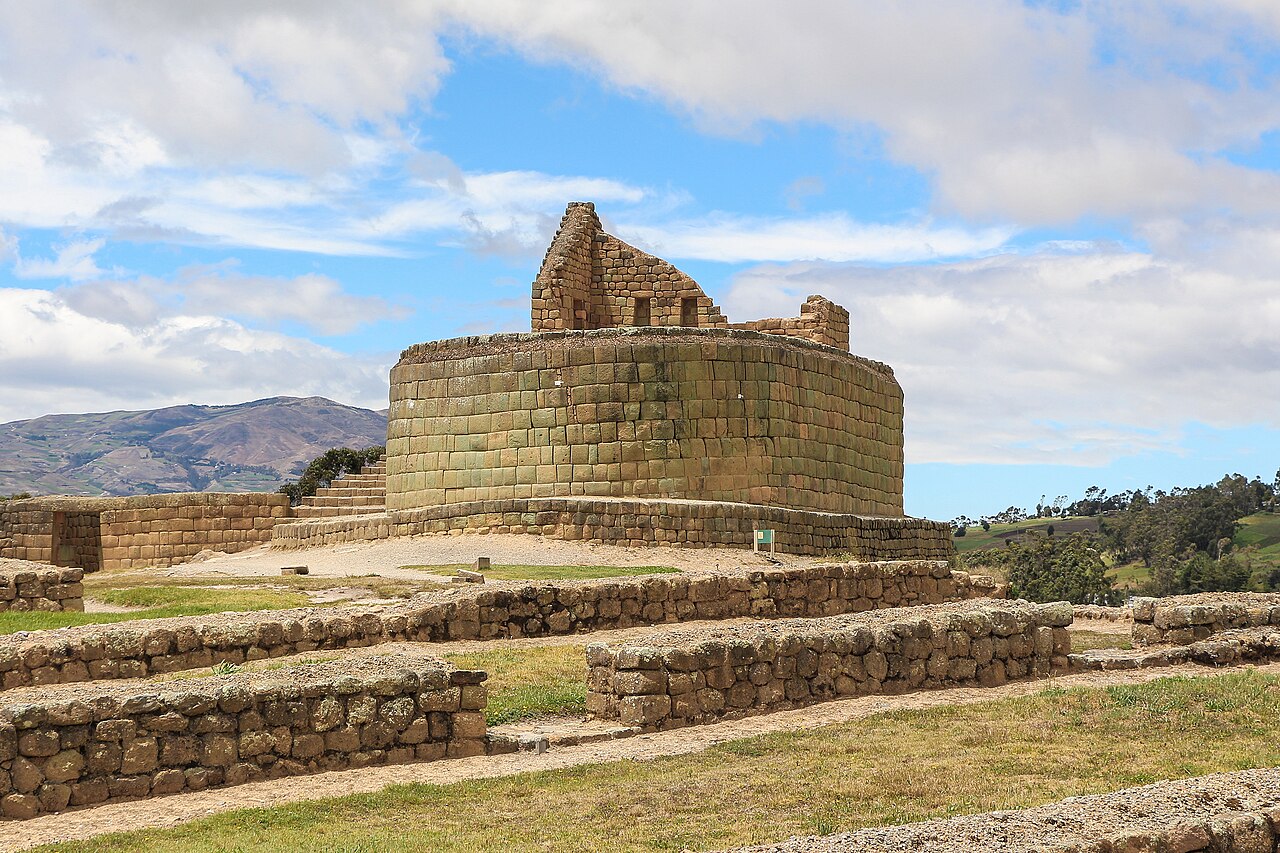
Our destination is Ingapirca – the most significant and best-preserved Inca archaeological complex in the country.

The name comes from the Kichwa language and means "Inca wall". The site is evidence of the meeting between the Incas and the local Cañari people who lived here centuries ago.

Ingapirca is not just a set of ruins. In the past the complex was an important religious, political, scientific, military and administrative centre. There were temples, storehouses, dwellings for priests, plazas, roads and astronomical structures.

We will take a careful look at the precisely worked stone blocks and the most impressive part of the complex – the Temple of the Sun, which dominates the other structures.

After this encounter with the civilisations of the Andes we continue to Cuenca.

Note: a visit to Ingapirca is possible from Wednesday to Sunday.

Overnight: Cuenca

Meals: breakfast

DAY 11

Cuenca – the colonial heritage and the "Panama" hat

After the high volcanoes and ancient ruins, today we will slow down and immerse ourselves in the atmosphere of Cuenca.

The city is the fourth largest in Ecuador, and its beautiful historic centre is on the UNESCO World Cultural Heritage list.

We will explore the architectural landmarks of the old town and the impressive cathedral, and then head to the Turi viewpoint.

The name "Turi" comes from Kichwa and means "brother" – a language and cultural heritage that accompany us throughout our journey.

From here we will look down on Cuenca and see how the colonial centre unfolds amid the mountain landscape.

Then a surprising encounter awaits us with the famous "Panama" hat.

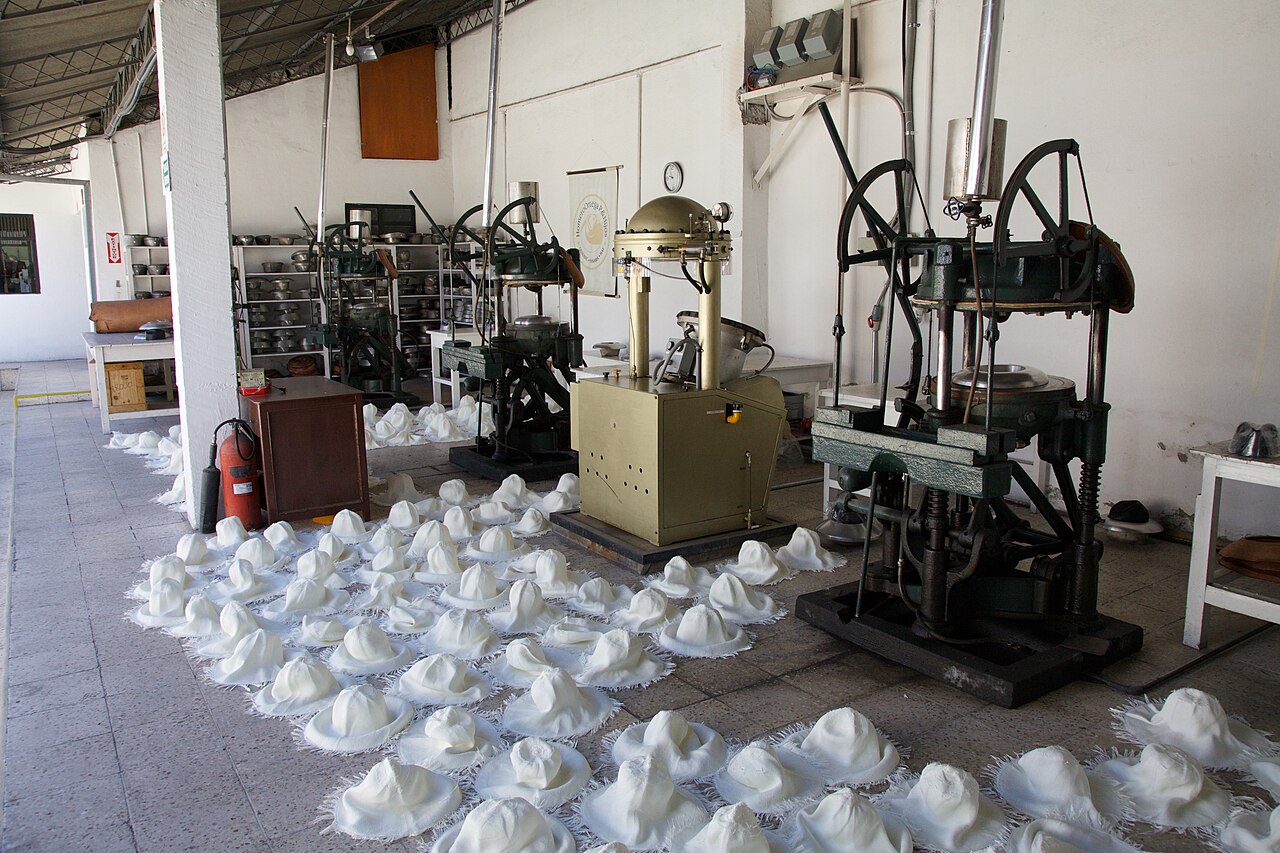
Despite its name, the Panama hat in fact originates in Ecuador, and Cuenca is one of the most important centres of its production. We will visit a local workshop and see how a hat is made from the leaves of the Paja Toquilla palm – one that, at higher quality, can require weeks or even months of handwork.

Overnight: Cuenca

Meals: breakfast

DAY 12

Cuenca – El Cajas National Park – Cuenca

Today we leave Cuenca for a while and head to El Cajas National Park.

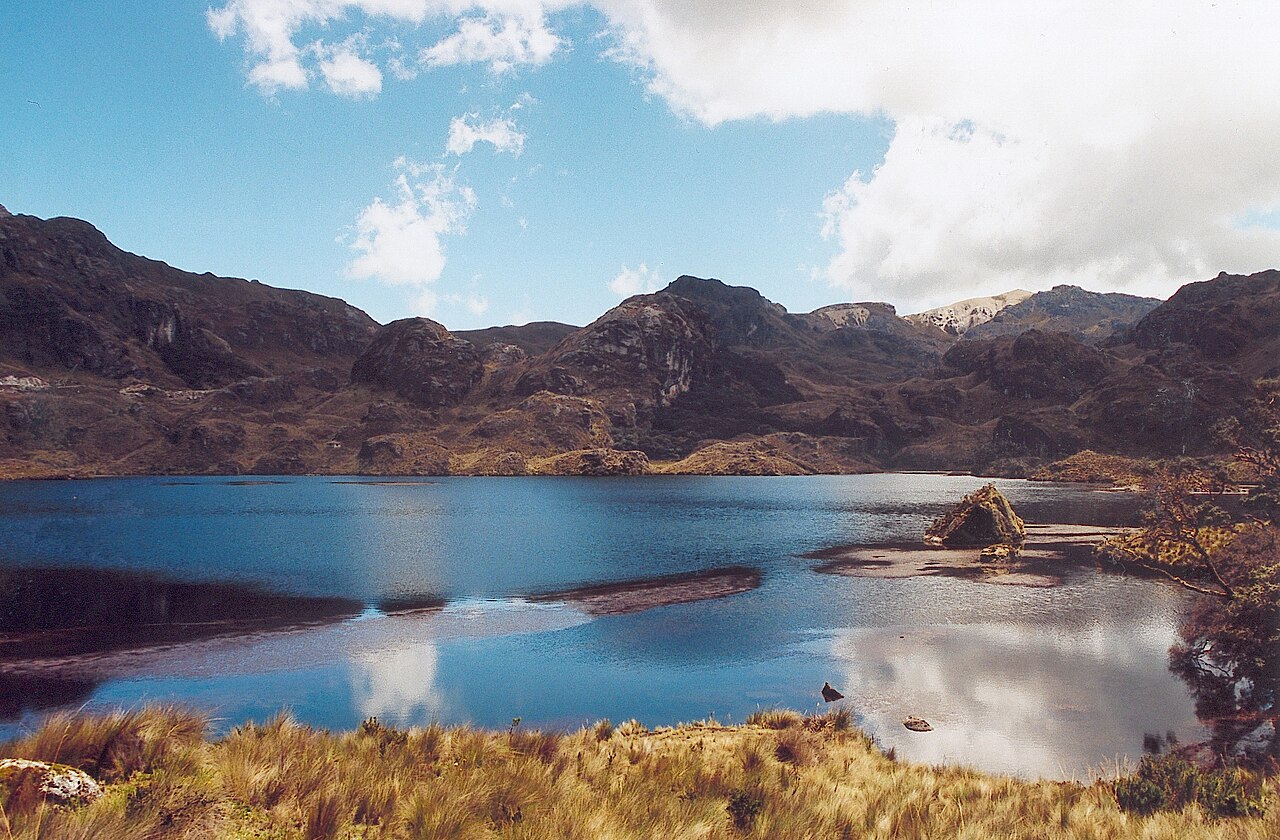
Over an area of about 70,000 acres the park brings together an astonishing variety of ecosystems – from humid high-mountain forests to harsh, almost lunar landscapes.

There are more than 200 lakes and lagoons here, and a large part of the territory lies above 3,000 metres above sea level. The highest parts reach over 4,400 metres.

It is there that the landscape becomes almost unreal – dark mountain lakes, bare rocky slopes and peaks that seem to merge with the sky.

We will choose the length of our walk according to the weather and our physical shape. Along the route we may see rabbits and one of the most impressive hummingbirds in the world – the giant hummingbird.

Temperatures here can be low even when it is pleasant in Cuenca, so we will be well prepared for the high-mountain climate.

After the walk we return to Cuenca.

Overnight: Cuenca

Meals: breakfast

DAY 13

Cuenca – mangrove forests – cocoa – Guayaquil

Today the landscape changes dramatically once again.

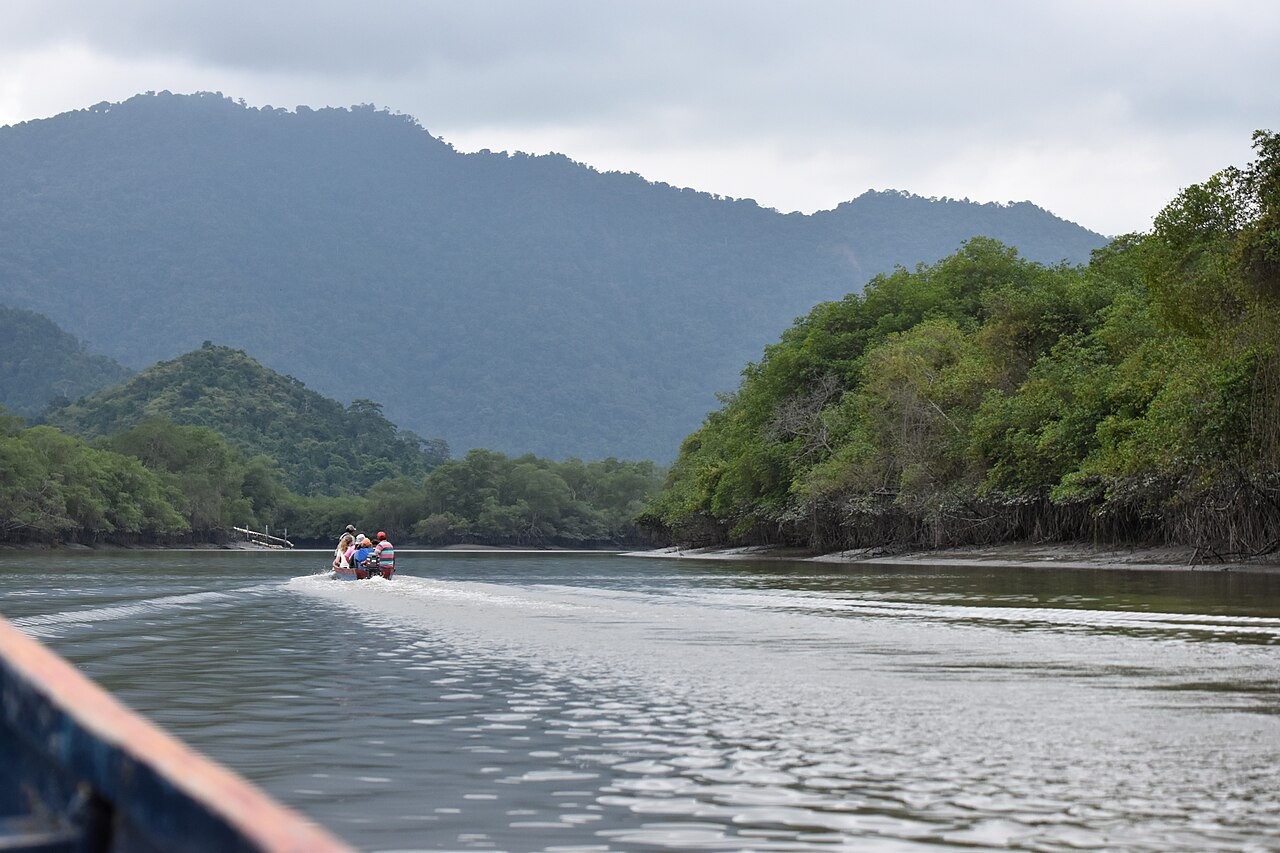
We leave the high Andes and gradually descend to the Pacific coast. Our destination is the Manglares Churute reserve – a place where freshwater and marine ecosystems meet in a labyrinth of mangrove forests.

We will board a canoe and enter the mangrove channels. As we glide along the water we will observe the local flora and fauna, and our guide will tell us more about this unique ecosystem.

Then we will leave the canoe and take the Howler Monkey Trail. The walk lasts about an hour and is not especially strenuous. Among the vegetation we will look out for howler monkeys and white-fronted capuchins, though an encounter with them can never be guaranteed.

We will also learn more about the medicinal plants growing in this humid forest.

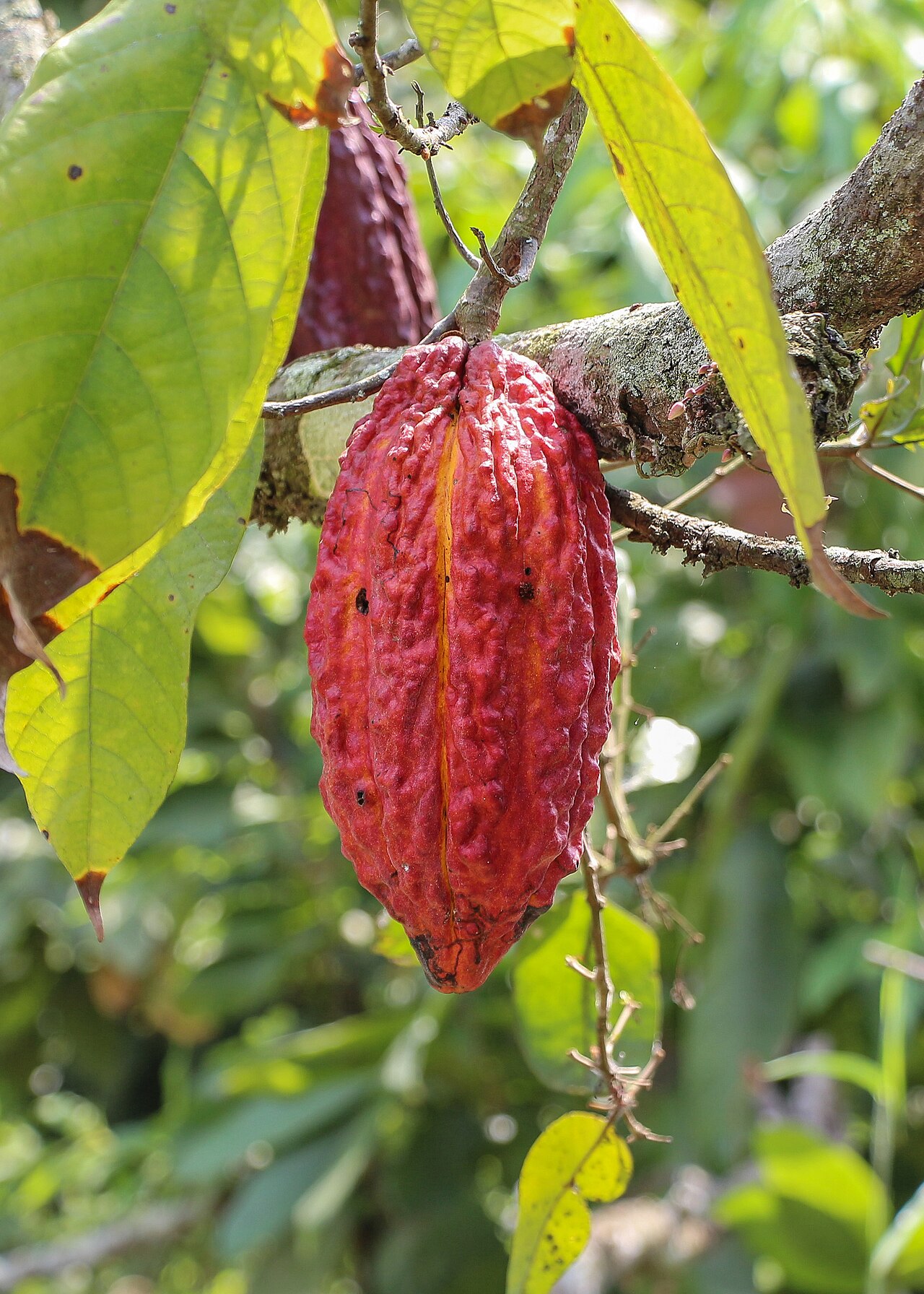
In the afternoon we will head to a local family cocoa and mango farm.

Here we will see up close how cocoa, mango and other tropical crops such as dragon fruit, bananas, lemongrass and various spices are grown.

And the best is yet to come – we will take part in processing the cocoa beans, peel and roast them, and then grind them to create our own chocolate dessert.

After this delicious finale we continue to Guayaquil.

Overnight: Guayaquil

Meals: breakfast and lunch at the cocoa and mango farm

DAY 14

Guayaquil – the city by the Pacific Ocean

After weeks among the Andes, today the feeling is entirely different.

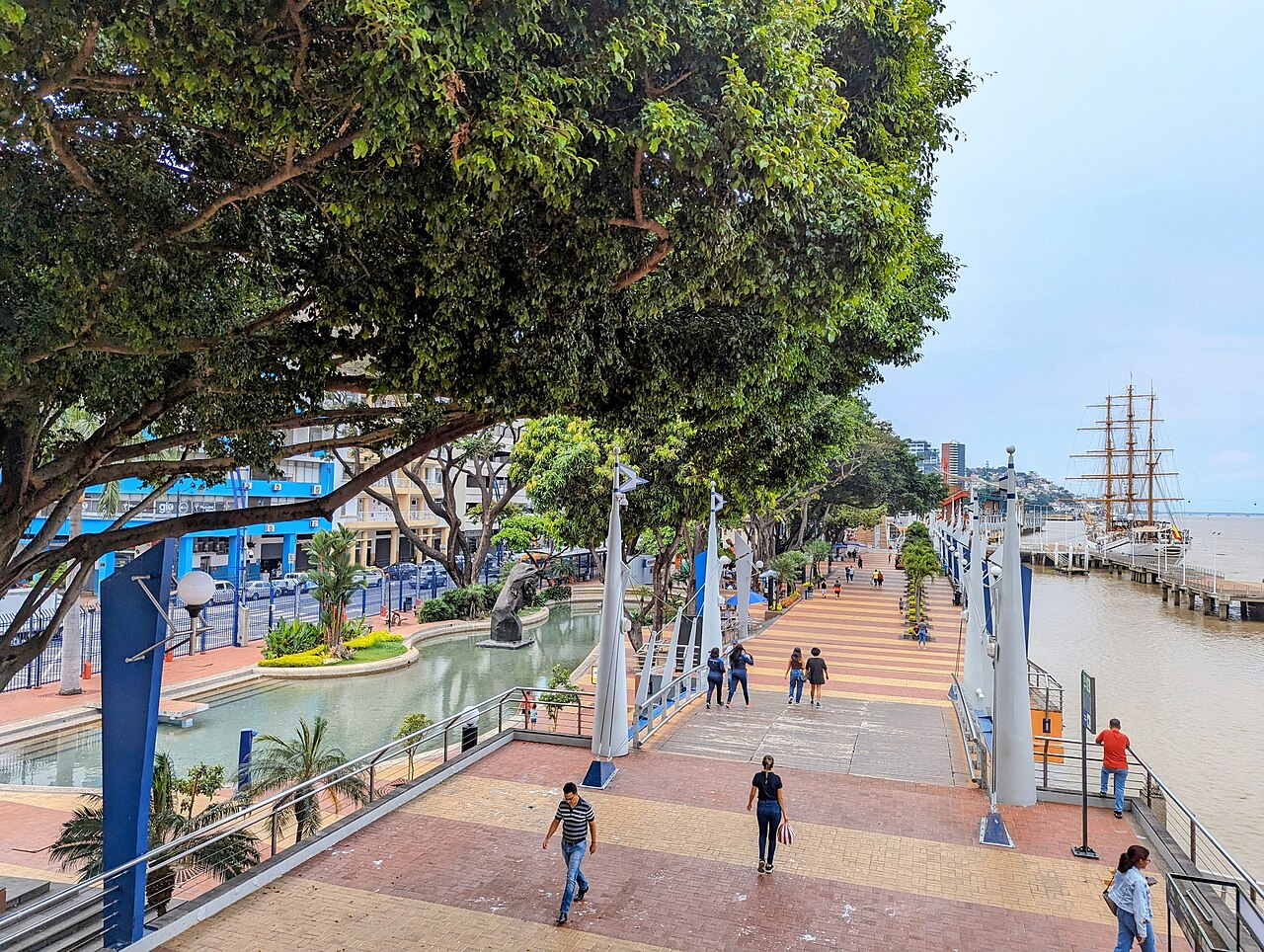
Guayaquil is the largest city and main port of Ecuador, located on the bank of the Guayas River. Here the high-mountain air is replaced by a tropical climate, and the architecture combines modern buildings with historic districts.

We will begin our walk along the Malecón – the renovated riverside promenade, which is one of the most recognisable places in the city.

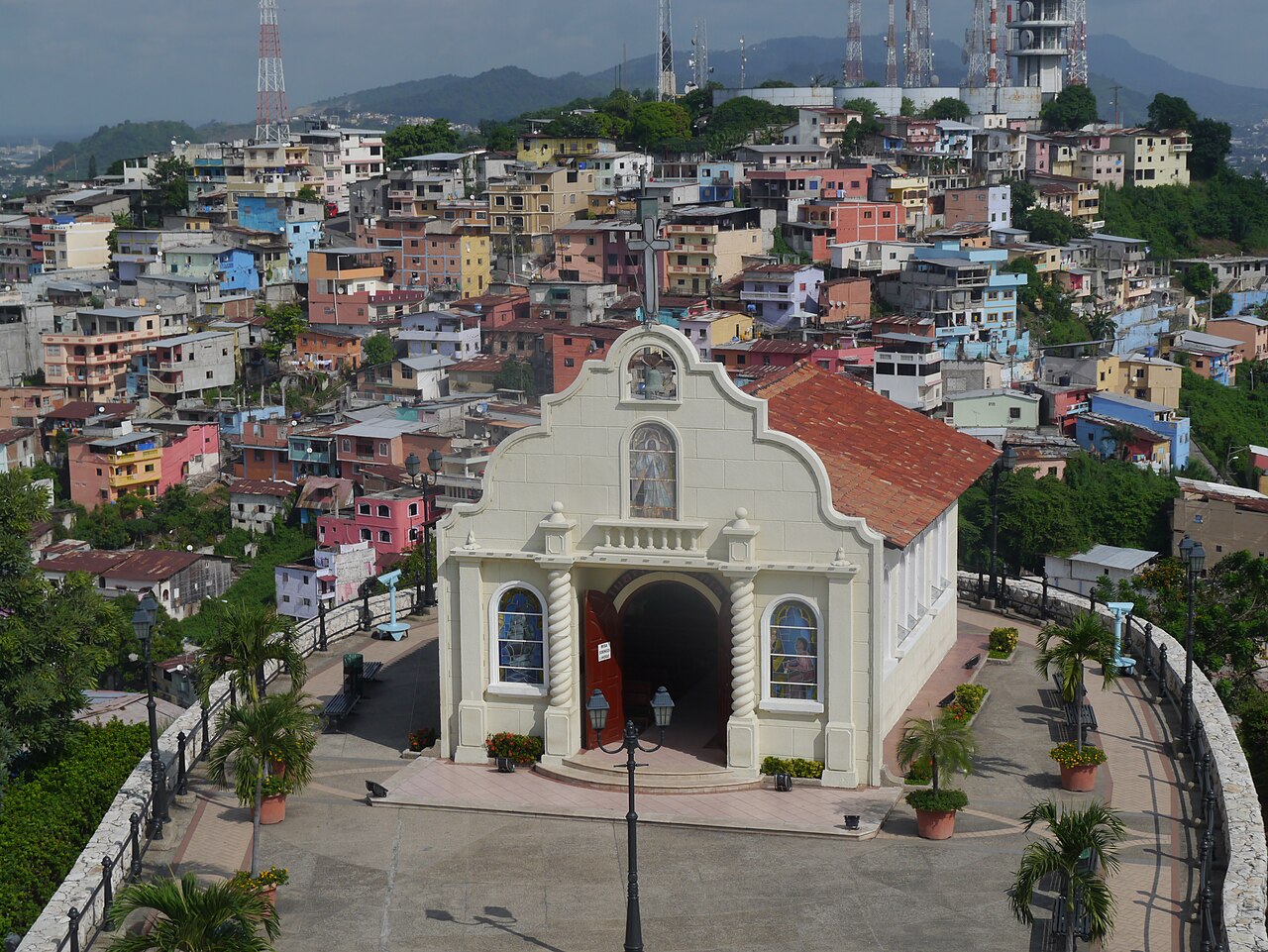
Then we will head to Las Peñas – a historic district whose roots go back to the 16th century. Set on the slopes above the river, it offers beautiful views of the city and the waterfront.

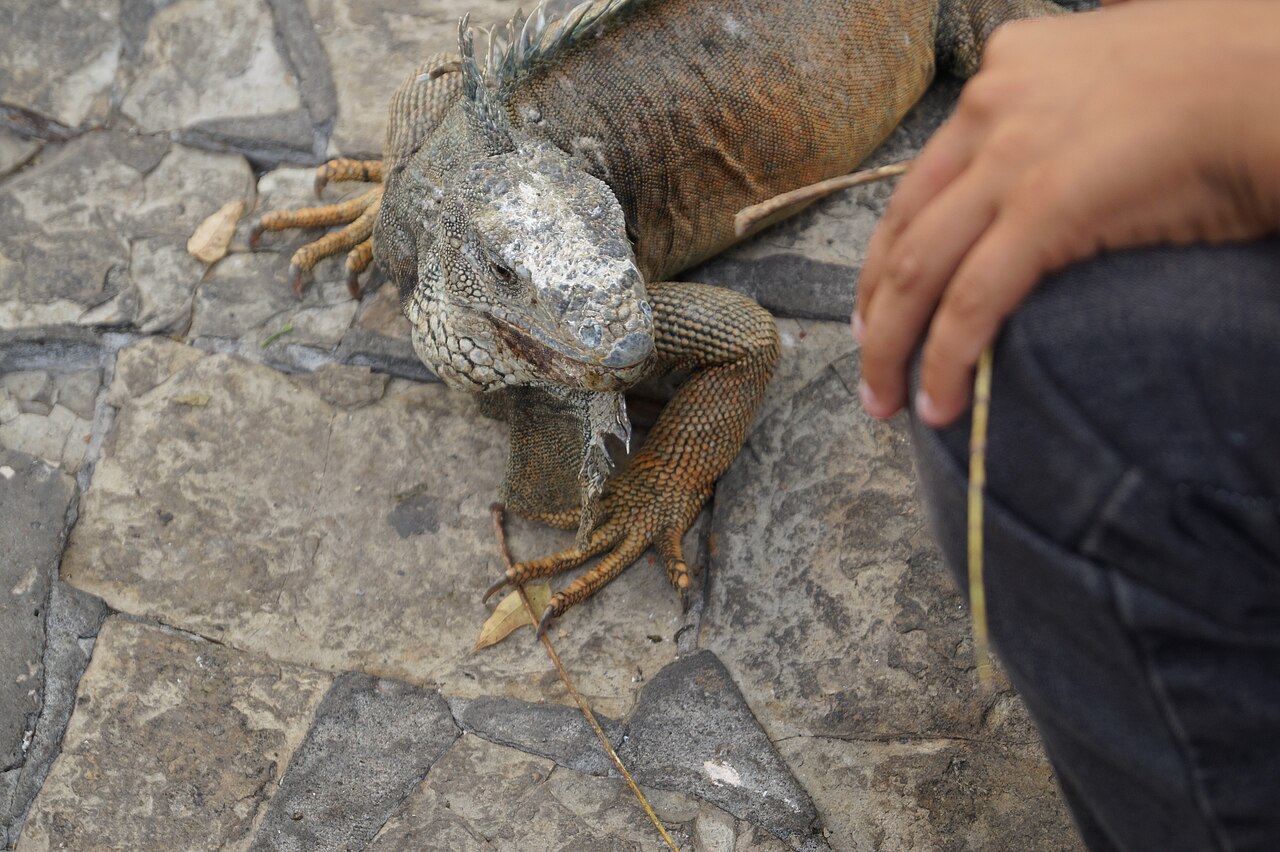
We will also visit Parque Seminario, better known as Iguana Park.

Its name is no accident – the park is home to many iguanas that move freely among the visitors and have become one of Guayaquil's unusual symbols.

In the afternoon we will have time to feel the calmer rhythm of the coastal city – with its cafés, markets and restaurants, where the cuisine is already completely different from that of the Andes.

Overnight: Guayaquil

Meals: breakfast

DAY 15

Guayaquil – the airport

Las Peñas and the Santa Ana chapel in Guayaquil

The last morning in Ecuador.

After breakfast we will have a transfer from the hotel to Guayaquil's international airport.

Behind us remain the high Andes, the snow-capped volcanoes, the colonial towns, the ancient cultures and the small communities that allowed us to see Ecuador not just as a series of sights but as a living country with deep traditions.

From the green valleys around Otavalo to turquoise Quilotoa, from Chimborazo to Ingapirca and from the high-mountain lakes of El Cajas to the tropical mangrove forests – this is a journey through several entirely different faces of a small but exceptionally varied country.

And when the plane rises above Guayaquil, we will probably be left with the feeling that we have left behind not just one place but a whole world of stories, people and landscapes.

Until our next adventure.

Meals: breakfast

PRACTICAL INFORMATION

Your guide

TBD

Book now